
Boosting Vision Benefit Utilization With Tele-Optometry Services: What It Means and Why It Matters
Vision benefits are one of the most appreciated workplace perks—yet many employees don’t use them. The reasons are usually practical: limited appointment availability, long wait times, difficulty getting to a provider during work hours, or simply not realizing what the plan covers.
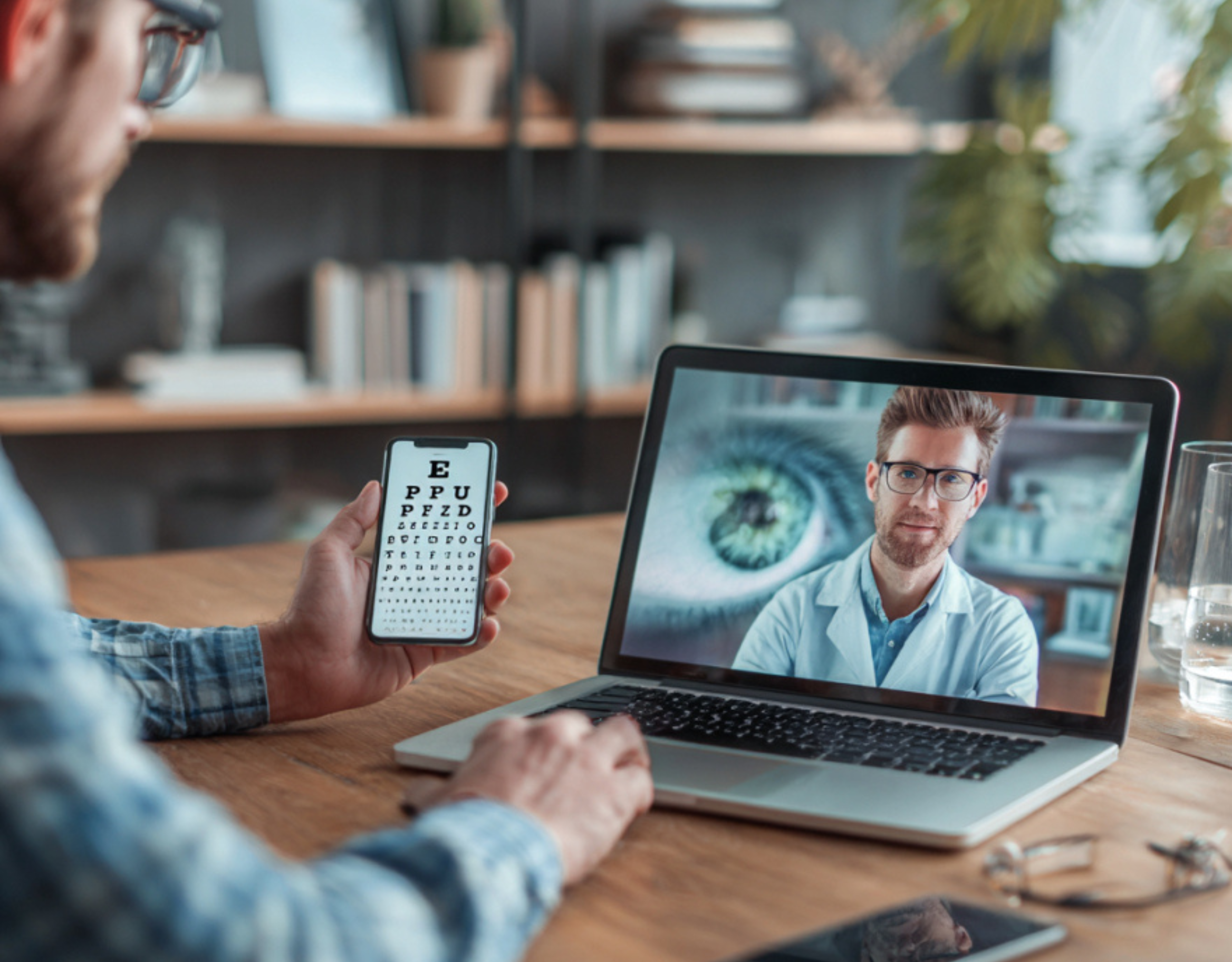
Tele-optometry helps remove those friction points by offering remote vision care services (such as symptom triage, consultation, screening support, and follow-up guidance) through secure video or digital platforms. When used appropriately and paired with in-person care when needed, tele-optometry can make it easier for employees to take advantage of their vision benefits—leading to earlier detection of issues, fewer missed work hours, and higher satisfaction with the benefits program.
Why Tele-Optometry Can Increase Vision Benefit Utilization
Benefit utilization typically improves when access becomes more convenient and employees clearly understand how to use the benefit. Tele-optometry can help on both fronts by expanding appointment access, reducing time barriers, and giving employees a simpler first step when they have questions about eye strain, irritation, contact lens comfort, or changes in vision.
Tele-optometry can be especially helpful for:
- Employees in rural areas or regions with limited provider networks
- Distributed or hybrid teams who can’t easily visit a local office
- Busy schedules where taking time off for an appointment is difficult
- Employees who delay care because they’re unsure “if it’s serious”
How Tele-Optometry Supports Better Outcomes and Smarter Benefit Use
Lowering Access Barriers: Convenience Drives Utilization
If your benefits are strong but the process feels inconvenient, utilization stays low. Tele-optometry can reduce common barriers by providing faster access to a professional, which can motivate employees to engage with their vision care earlier instead of postponing it.
Depending on the service model and local regulations, tele-optometry may support:
- Virtual consultations for common eye concerns
- Education on symptoms and when to seek in-person care
- Follow-up questions after in-person visits or prescription changes
- Guidance for contact lens comfort and basic eye health routines
Preventing “Benefit Waste”: Directing Employees to the Right Level of Care
One major reason benefits get underused is uncertainty—employees don’t know whether they need an eye exam, a medical visit, urgent care, or simply self-care and monitoring. Tele-optometry can serve as a front door to the benefit, helping employees understand appropriate next steps.
This can improve the employee experience by:
- Reducing unnecessary appointments when a simple solution is appropriate
- Encouraging timely in-person evaluation when symptoms are more concerning
- Improving follow-through by giving employees a clear, low-effort first step
Employer Strategy: Pairing Tele-Optometry With Communication and Plan Design
Tele-optometry works best when employees know it exists and understand how to use it. To increase vision benefit utilization, employers can pair tele-optometry access with clear education and a simple action path.
- Benefit education: explain what the vision plan covers (exam, lenses, frames, contacts, allowances)
- Simple access: one link, one login, mobile-friendly scheduling
- Reminders: open enrollment messaging + mid-year reminders for unused benefits
- Targeted campaigns: screen-time fatigue, new hires, parents, and contact lens wearers
Tip: Utilization rises when the first step is easy. Tele-optometry can be that “easy first step” that turns a benefit into real care.
When employees can ask a quick question or get a fast consult, they’re more likely to engage—and that engagement often leads to appropriate in-person care when necessary.
Best Practices for Implementing Tele-Optometry in a Vision Benefits Program
Clarify What Tele-Optometry Can and Can’t Do
Set accurate expectations. Tele-optometry may not replace every in-person exam, and services vary by provider, state regulations, and plan design. It’s often best positioned for guidance, triage, follow-up support, and certain remote services—not as a blanket substitute for comprehensive eye exams.
Prioritize Privacy, Security, and Compliance
Any virtual healthcare offering should use secure systems and follow applicable privacy rules. Choose partners that can clearly explain their data handling, consent practices, and how care is documented and communicated.
Measure Utilization and Employee Satisfaction
To determine whether tele-optometry is improving outcomes, track metrics like benefit utilization rates, appointment wait times, employee feedback, and the share of employees who complete recommended in-person follow-ups.
Get Started: Improve Vision Benefit Engagement With a Smarter Access Model
A Practical Next Step for Employers and HR Teams
If your vision plan is underutilized, start with a simple assessment: how easy is it for employees to understand the benefit, find a provider, and book care without missing half a workday? Tele-optometry can be a practical add-on that reduces friction and increases engagement—especially for distributed teams.
Contact Us
Want help evaluating whether tele-optometry fits your vision benefits strategy? Contact us to discuss options, communication strategies, and implementation best practices based on your workforce needs.
FAQ
What is tele-optometry?
Tele-optometry is the delivery of certain eye-care services through secure digital platforms, such as video consultations and remote support. Services vary by provider and location and may include triage, education, follow-up guidance, and other virtual vision care components.
How does tele-optometry increase vision benefit utilization?
It reduces barriers like travel time, long wait times, and scheduling challenges. By making it easier to start care, employees are more likely to use their vision benefits and follow through on recommended next steps.
Can tele-optometry replace an in-person eye exam?
Not always. Many vision needs still require in-person evaluation and testing. Tele-optometry is often best used as a convenient entry point for questions, triage, and guidance, with referral to in-person care when appropriate.
Is tele-optometry covered by vision insurance?
Coverage depends on the plan design, the provider network, and applicable regulations. Some plans may include virtual options as part of their benefits, while others may treat them differently. A plan review can clarify how services are covered.
What should employers look for when adding tele-optometry?
Focus on ease of access, clear employee instructions, privacy/security standards, clinical escalation pathways to in-person care, and reporting that helps you measure utilization and satisfaction over time.